

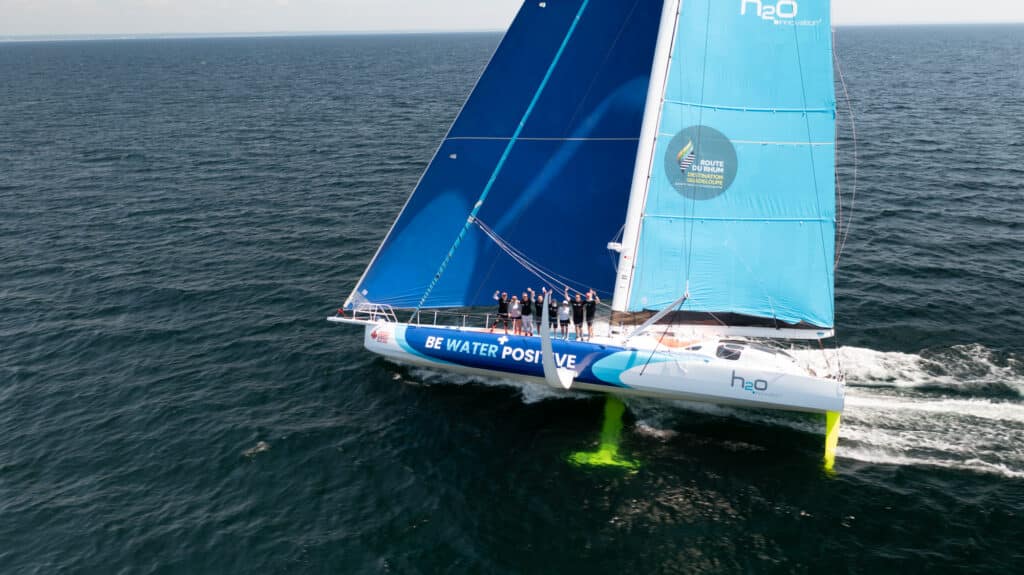
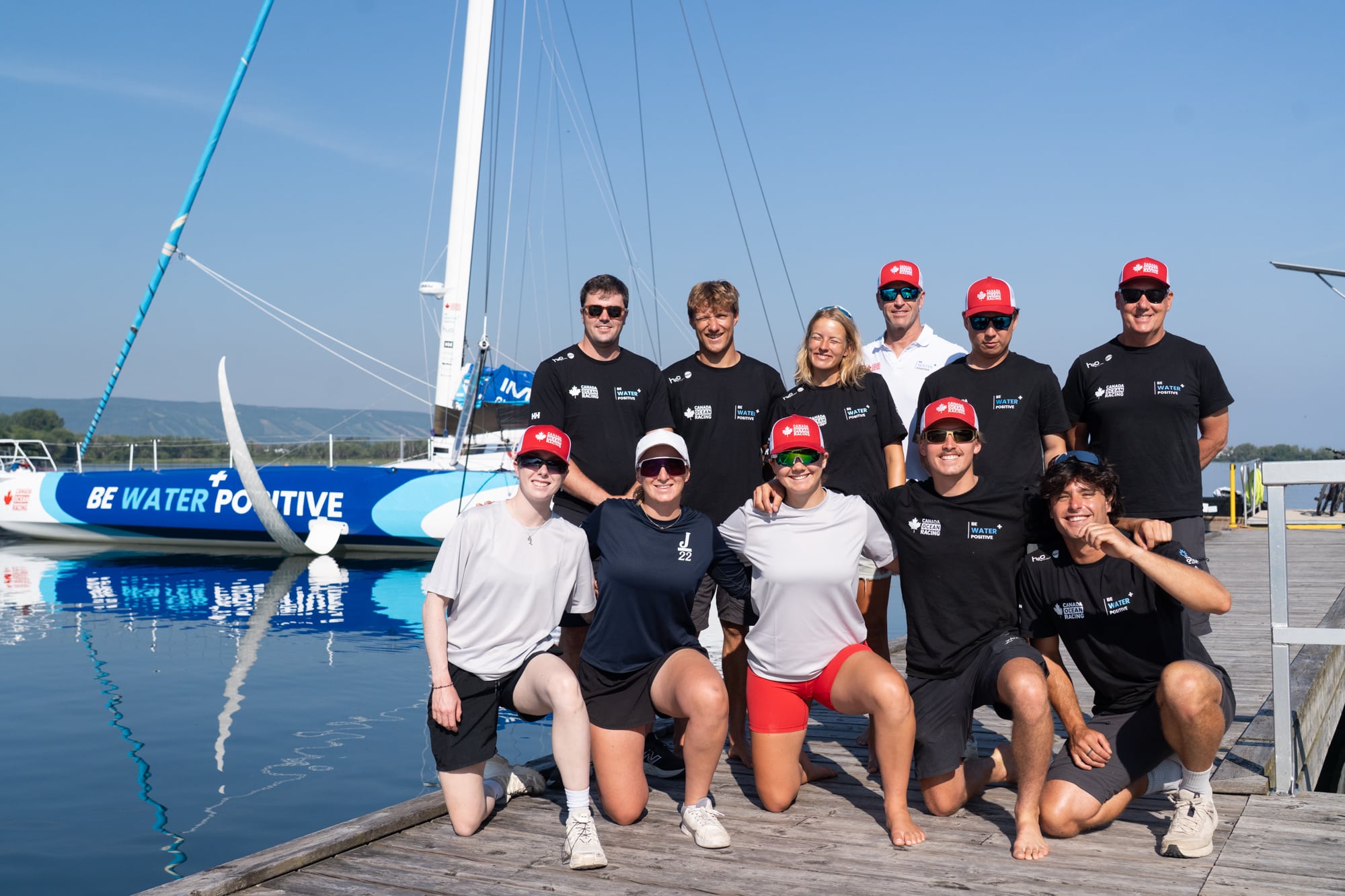
It changed what they believed was possible.
They came to learn about offshore racing, and they left with a new understanding of where it could take them.
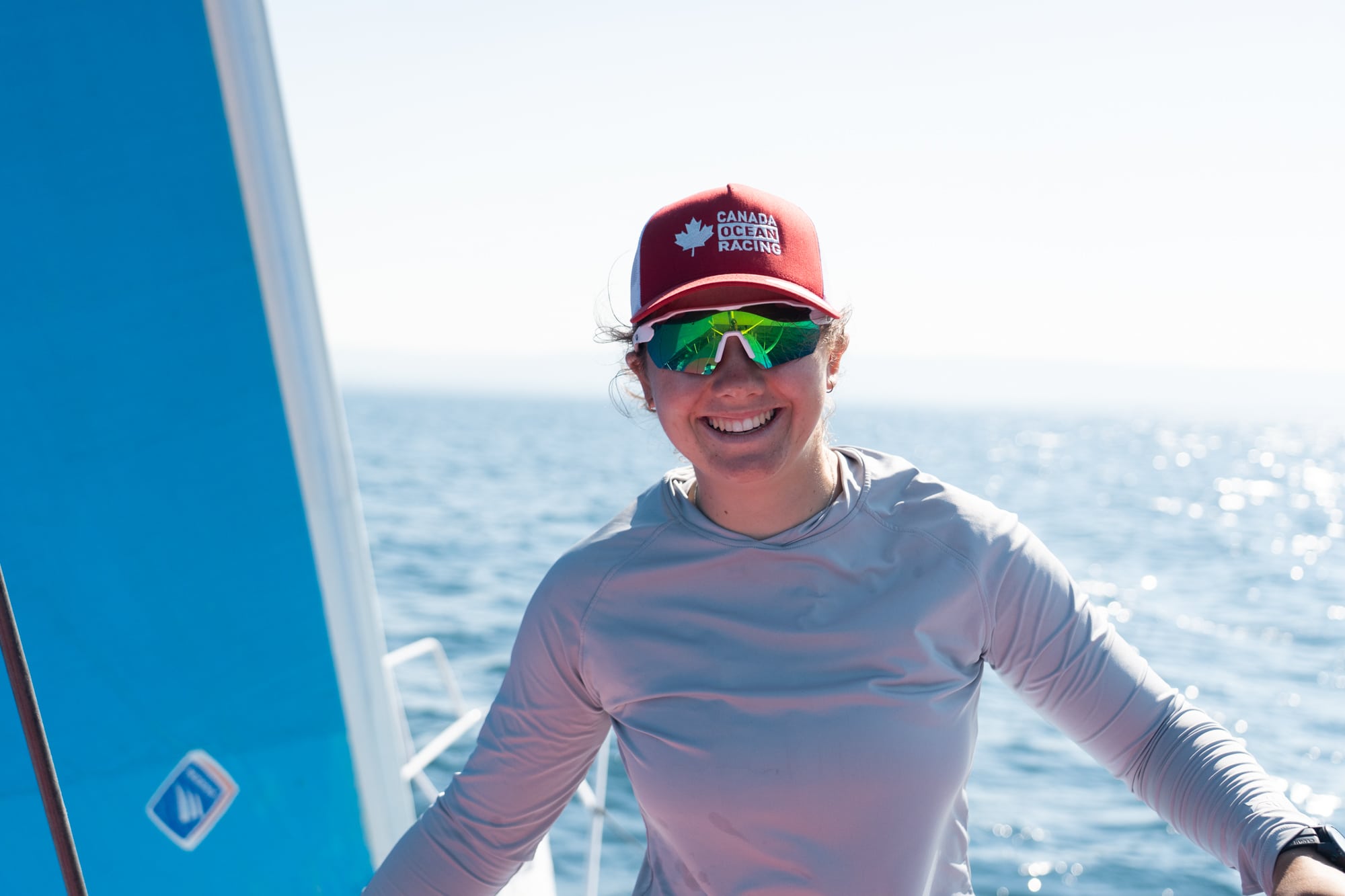
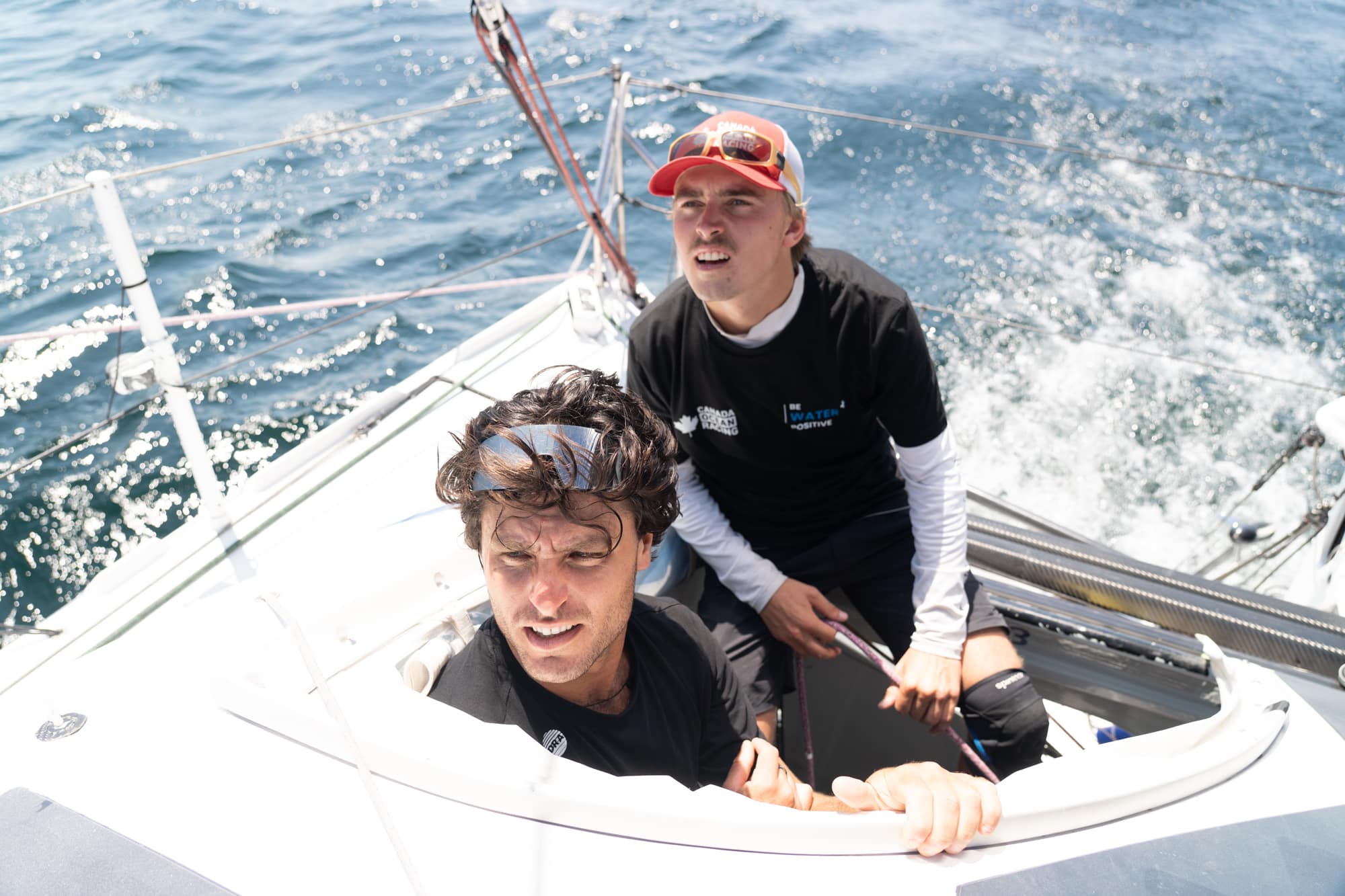
"Every second just proved that what I want from this sport is available to me," said Tuskar Lordly after the programme.
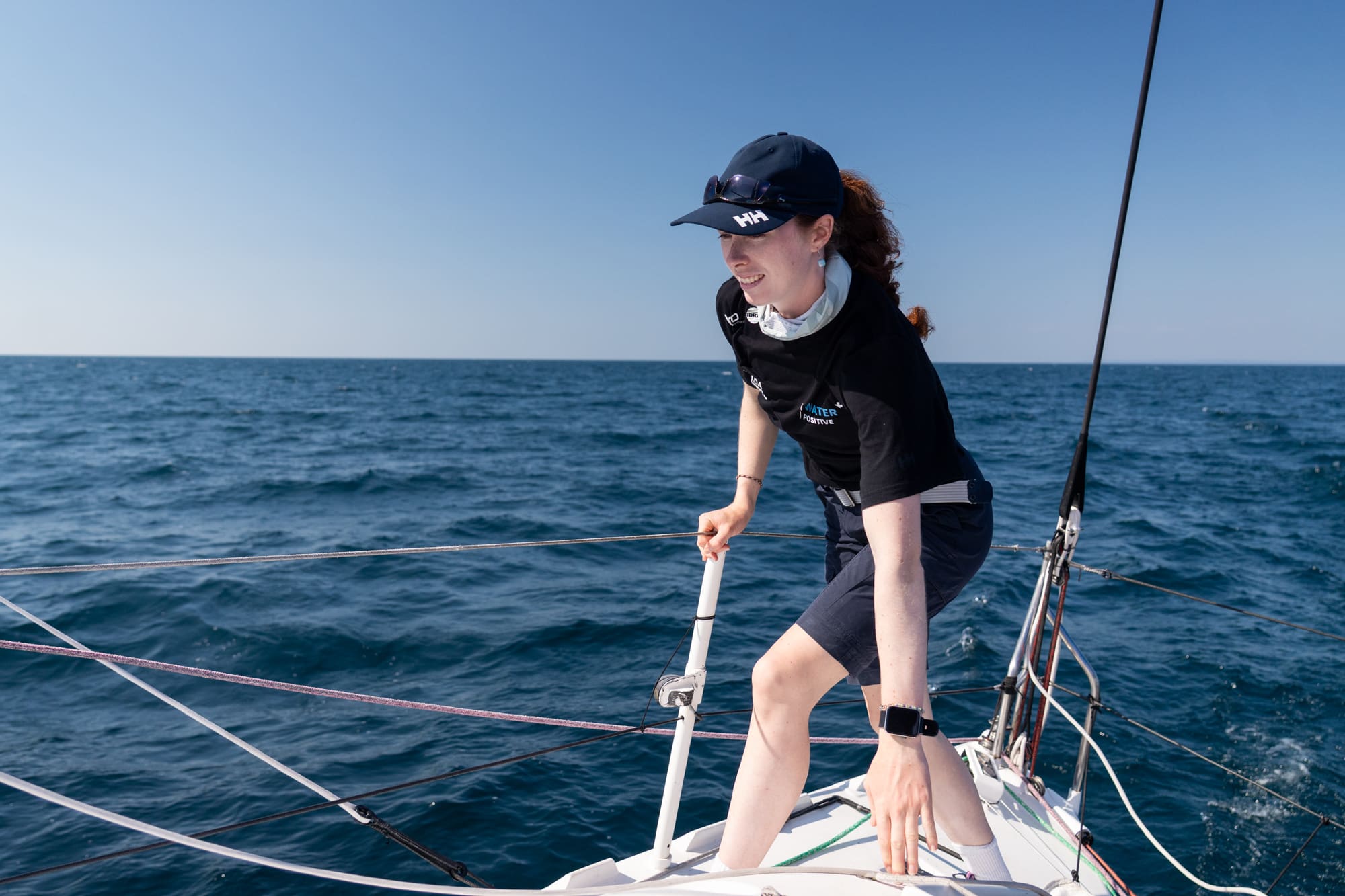
For Anna Powick, the biggest surprise wasn't the speed of the boat or the complexity of sailing an IMOCA."It opened my eyes to a whole other side of the industry that I hadn't been aware of before and would be keen to pursue."
That feeling was shared across the group.
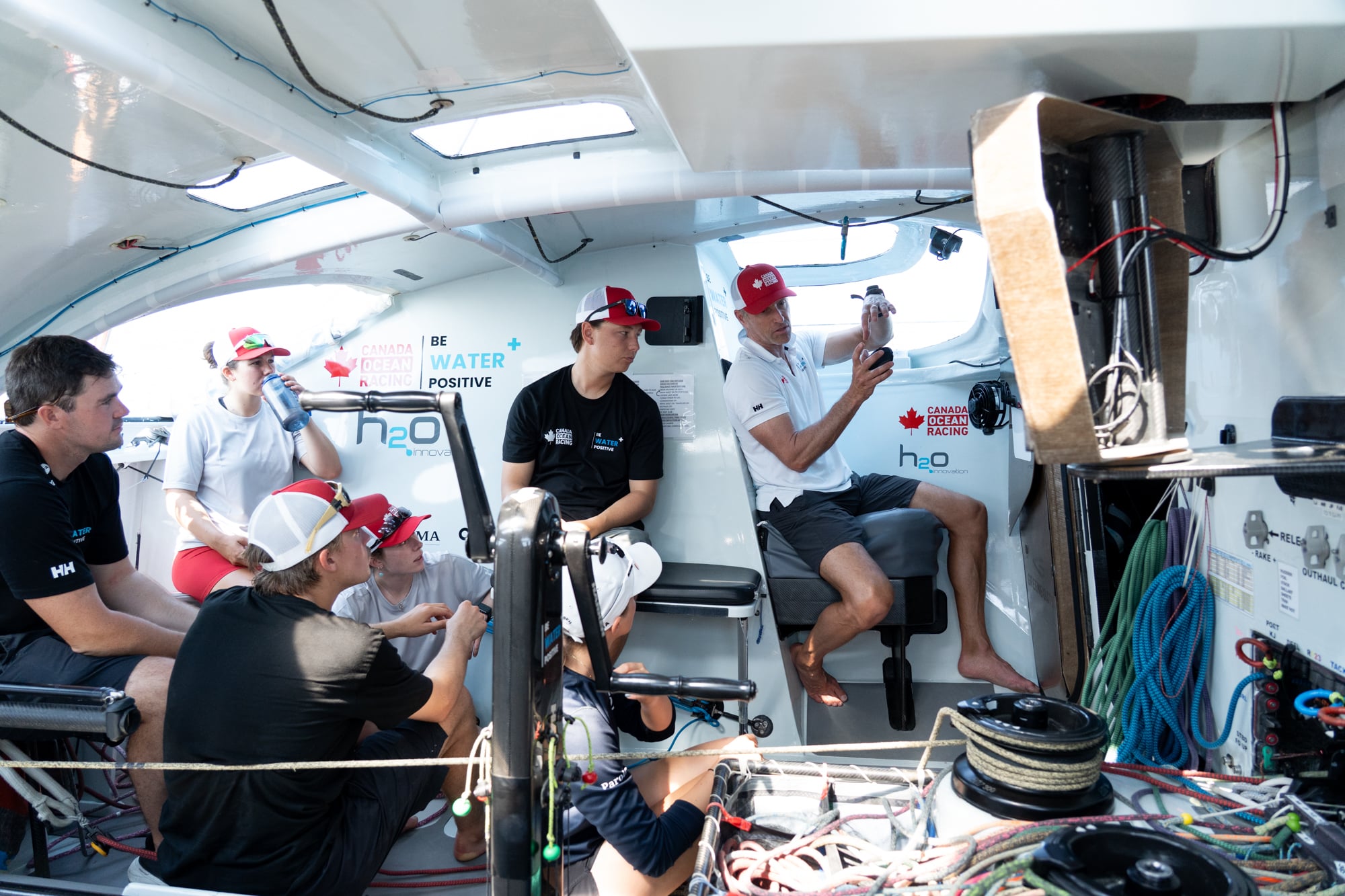
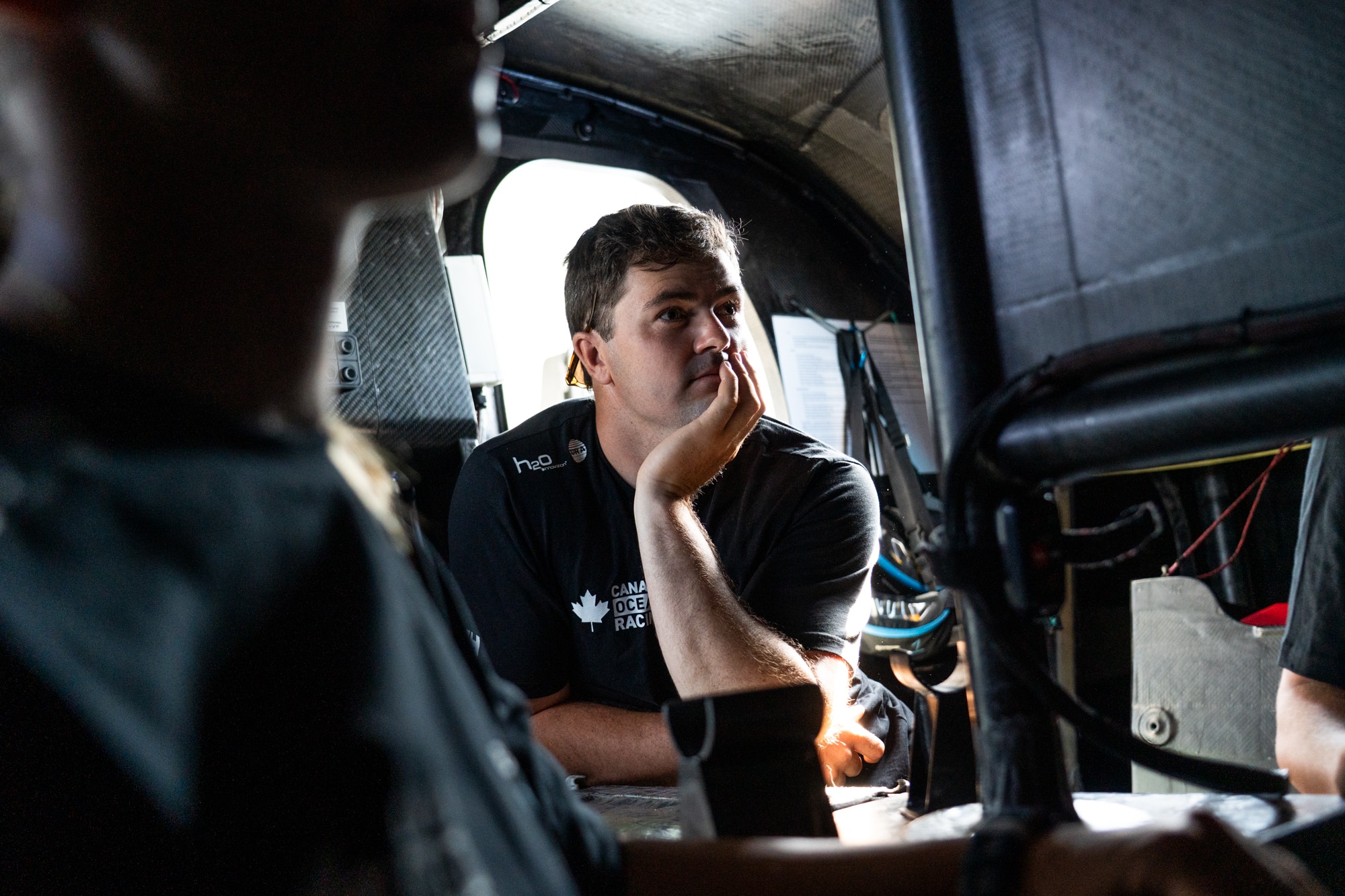
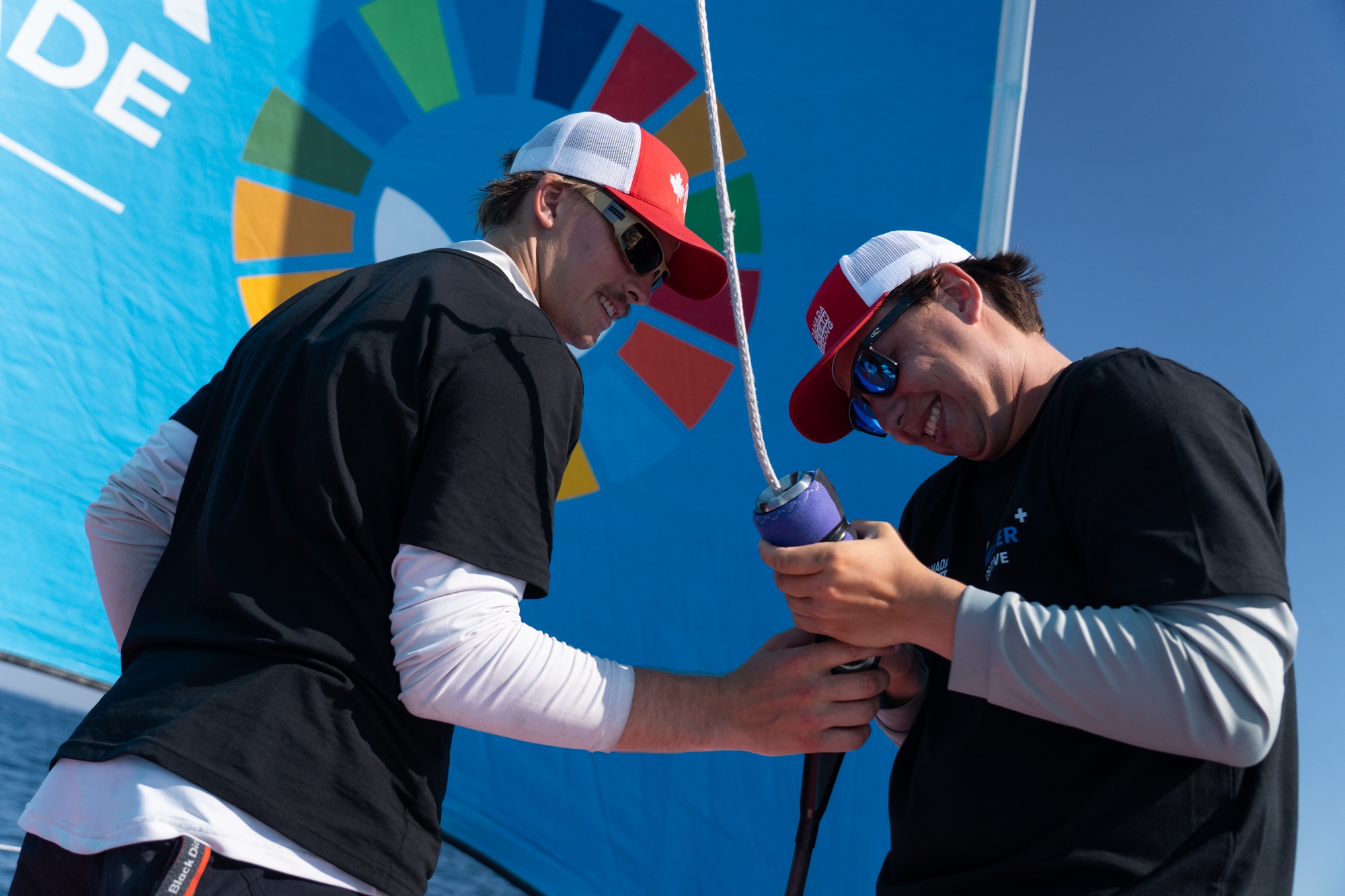
Participants spent time not only on the water, but with the engineers, technicians, shore crew and campaign staff who make an offshore racing programme possible.
For many, it was their first glimpse of the hundreds of skills, careers and opportunities that exist beyond the person sailing the boat.
Emily Roy, a sailor with a background in marine biology, said she was inspired by both the ocean science and the people behind the campaign."I learned there are so many different ways to get involved with an IMOCA campaign and offshore sailing."
Anna Parolin spoke about discovering how ocean racing teams operate behind the scenes and how different roles come together to support a campaign. The experience helped her connect the dots between her engineering studies and a future career in sailing. "Working as an engineer in the sailing industry doesn’t have to be a total desk job."
For Andre van Dam, the programme changed his perspective on offshore racing altogether.
"The weekend fully opened my eyes to what this meant, what these crazy sailors do and what it's like for everyone working and supporting it. It was very inspiring."
Of course, there were also unforgettable moments on the water.
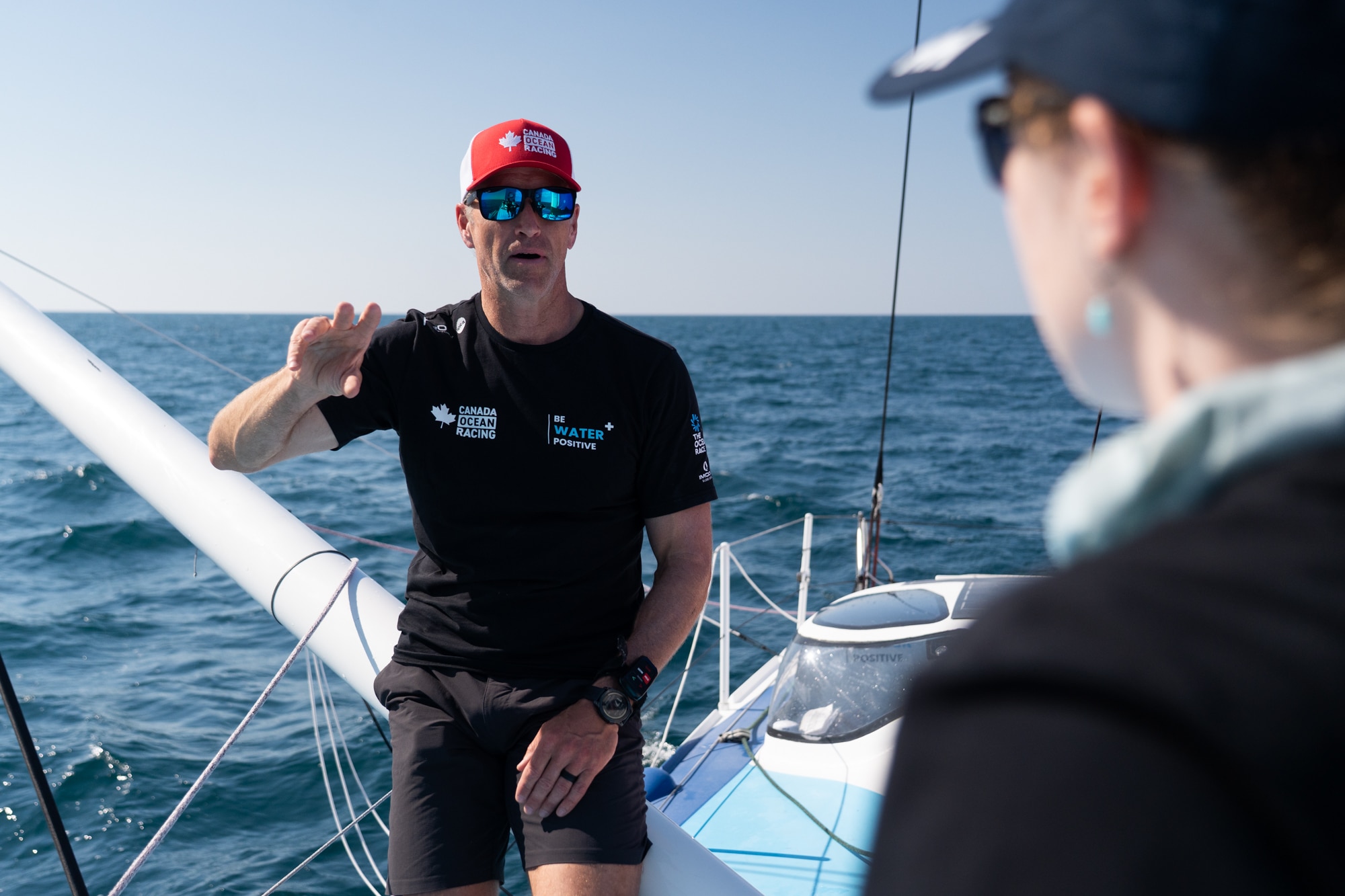
For Julian Hill, it was "the intensity of the IMOCA and the order of operations, and the discipline Scott brings to how the boat is sailed". But his highlight? "24 knots!"
Canada's Offshore Future
Canada Ocean Racing was founded to achieve something that has never been done before: become the first Canadian to complete the world's toughest solo racing challenge, the Vendée Globe, and inspire a new generation to follow their dreams in offshore sailing.
The Youth Pathway Programme is part of that mission. Building Canada's future in offshore racing won't be achieved by one sailor alone.
It will be built by the young Canadians who can now see a place for themselves in the sport.
And judging by the enthusiasm of this year's participants, that future looks bright.
Watch the video to hear their stories and see the programme in action.

Quelques chiffres sur la Route du Rhum
+ Première édition en 1978
+ Une course organisée tous les quatre ans
+ Environ 3 500 milles nautiques à parcourir
+ Plus de 100 skippers engagés, répartis dans plusieurs classes
+ Le record actuel est de 6 jours, 19 heures, 47 minutes et 25 secondes, établi par Charles Caudrelier à bord de son maxi-multicoque de 32 mètres (100 pieds)
+ Les IMOCA, comme Emira IV, bouclent généralement le parcours en 12 à 16 jours, selon les conditions météorologiques et l'état de la mer